
COVER STORIES
Manipur: 10 agitators, 3 cops injured in clashes during protest against arrest of human rights activist
The incident comes a day after the Manipur Police arrested Dr Mark Haokip, the president of the International Human Rights Association (IHRA), Chuarchandpur chapter, over his Facebook post.
https://indianexpress.com/article/north-east-india/manipur/manipur-agitators-cops-injured-clashes-protest-arrest-human-rights-activist-7936353/
======
JOIN THE TOP AND MOST REPUTED HUMAN RIGHTS MOVEMENT OF THE COUNTRY AND
RAISE YOUR VOICE FOR THE VOICELESS PEOPLE
Top Criminal Advocate
Top Human Rights Advocate
SPEAK BEFORE APPLY FOR THE MEMBERSHIP
For more details, visit below
9873005424, 9873087903
https://humanrightscouncil.in/
https://humanrightscouncil.in/membership-form-download.php
https://www.hrcin.org/membership-form.html
http://ihrac.org/membership-form-download.php
https://hrcin.org/
http://ihrac.org/
https://twitter.com/AdvAnthonyRaju
https://www.youtube.com/channel/UCSzwkOMyFS2deOB2i7cELYQ
Email: Office@humanrightscouncil.in
ALL INDIA COUNCIL OF HUMAN RIGHTS, LIBERTIES & SOCIAL JUSTICE
(AICHLS) is founded by Dr. Anthony Raju - Advocate, Supreme Court of India, Dynamic Internationally Accredited Human Rights Defender, Inspirational, spiritual and motivational speaker, Peace Activist & Social Worker and is one of global's foremost voices of Human Rights and powerful voice for voiceless people globally.
All India council of human rights, liberties & social justice has been added as signatory to UNITED NATION GLOBAL COMPACT. The world's largest corporate responsibility initiative with nearly 12,000 business and non-business participants in 140 countries. That All India Council of Human Rights, Liberties & Social Justice (AICHLS), is a duly registered Society under the Societies Registration Act XXI of 1860, and is functioning with commitment to the Noble Cause of Human Rights Protection and Promotion, Justice for All, Economic Upliftment of the Underprivileged, Education, Love, Peace, Harmony and Friendship, National & International Integration by Exchange of Ideas & Ethos in India and also amongst the neighbouring countries and the people of the rest of the World at large.
AICHLS is purely non political and a dedicated Non Government Organisation in service of people for their constitutional rights promotion and protection.
Dr. Anthony Raju
Advocate , Supreme Court of India.
Global Chairman , All India Council of Human Rights, Liberties & Social Justice.
Chairman - National Legal Council
International Convener, Universal mission for Peace and Human Rights.
Chairman, National Council of News and Broadcasting.
Secretary General : Asian Human Rights Council
International Peace keeper
http://www.ihrac.org/
http://www.awardsforhumanrights.com/
https://www.newsindiatoday.tv/home/
http://www.ncnb.in/
http://www.groundreports.in/
https://www.linkedin.com/in/anthonyraju/
https://www.facebook.com/allindiacouncilofhumanrights/
https://twitter.com/aichls
http://www.anthonyraju.com/
http://www.juneann.in/
https://plus.google.com/u/1/?tab=mX
https://www.youtube.com/user/TheHumanrightsindia/
http://www.xavierinstitutions.org/
www.asianhumanrightscouncil.org
www.internationalhumanrightscouncil.org
======================================================
In Public Interest, More Links Of Human Rights Organisation working for the promotion and protection of Human Rights in India.
https://nhrc.nic.in/
https://nhrc.nic.in/about-us/state-commission?term_node_tid_depth=2350
https://nhrc.nic.in/statecommission/andhra-pradesh-state-human-rights-commission
https://shrc.tn.gov.in/
https://kshrc.karnataka.gov.in/english
https://nhrc.nic.in/statecommission/maharashtra-state-human-rights-commission
http://uphrc.up.nic.in/
https://ukhrc.net/u/
http://bhrc.bihar.gov.in/
http://www.pshrc.net/Home/Contact
https://nhrc.nic.in/statecommission/punjab-human-rights-commission
https://nhrc.nic.in/statecommission/gujarat-human-rights-commission
https://hphrc.hp.gov.in/
https://nhrc.nic.in/statecommission/assam-human-rights-commission
https://nhrc.nic.in/statecommission/gujarat-human-rights-commission
#tophumanrightsactvisitdranthonyrajuadvocate #topcriminaladvocatedranthonyrajuadvocate#Tophumanrightscouncil,
#Humanrightsinindia #Socialjustice,
#freelegalhelp #Humanrightscommission,
#HumanRightsOrganizationsInIndia,
#HumanRightsComplaint, #HumanRights,
#AdvocateSupremeCourt
#HumanRightsMembership #TopHumanRightsOrganisationofIndia #peace
#gahrc #humanrightseducation #humanrightsleadership #humanitarian #ihrac
#dranthonyraju #aichls #humanrightsambassador #tophumanrightsactivistinindia #topmotivationalspeaker #topinspirationalspeaker
#tophumanrightsadvocateinindia
#topcriminaladvocateinindia #tophumanrightsNGOinindia #STXAVIERLAWACADEMY #TOPIASIPSINSTITUTE
#Administrationofjustice #Impunity #Refugees #IDPs & #Asylumseekers #Arbitraryarrest #Independenceofjudges&lawyers #Righttoeducation #Castebaseddiscrimination #Prosecutionsystem #Righttoairtrial #Childrights , #ChildAbuse #InhumandegradingTreatment #Righttofood #Judicialsystem
#Corruption #Institutional reform #Righttohealth #Deathincustody #Righttolife #Deathpenalty #Labourrights
Human Rights In India, Join top Human Rights Council, Human Rights Membership, Top Human Rights Organisation of India, Free Human Rights Membership, Human Rights Commission, National Human Rights Commission, Human Rights Organizations In India, State Human Rights Commission, Human Rights Commission Delhi, Human Rights Complaint, Human Rights, Dr. Anthony Raju , Advocate Supreme Court,
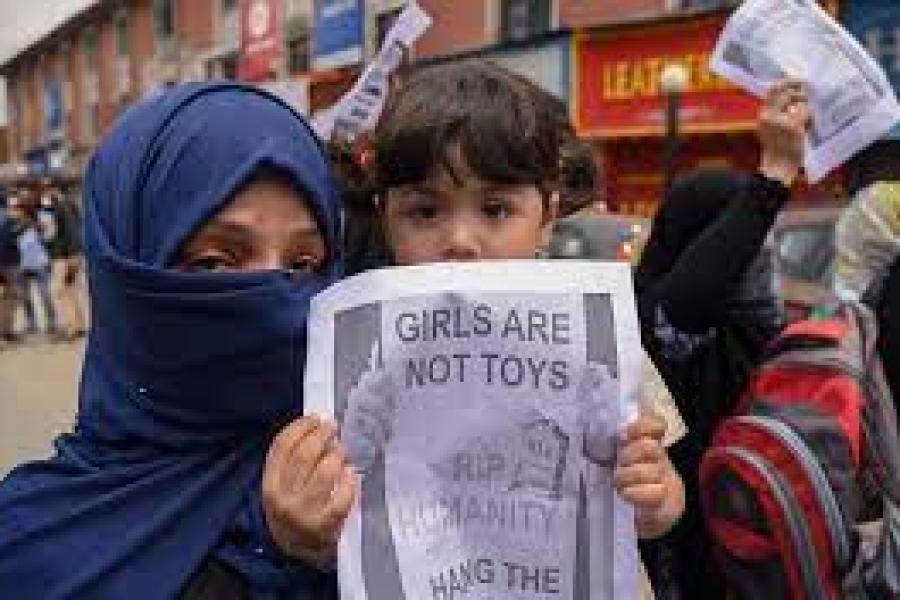
Human Rights Council strongly condemn the incident and demand free and fare investigation, said Dr. Anthony Raju Advocate and Chairman AICHLS
He said till when the minor will be raped
South Kashmir shocker: Minor abducted, raped in Anantnag; two held
The incident came to the fore when railway police were conducting a routine track clearance. They spotted a girl and two boys in a railway hut.
During questioning, it was revealed that two youth abducted the girl when she was on way to her home on Tuesday
The accused have been identified as Danish Ahmad Rather and Mukhtar Ahmad Rather. A case has been registered and further investigations have been taken up.
The girl was handed over to the family after completing medico-legal formalities. The accused have been shifted to Police station Wanpoh for further investigation.
==================================
MEMBERSHIP OPEN
JOIN THE TOP AND MOST REPUTED HUMAN RIGHTS MOVEMENT OF THE COUNTRY AND
RAISE YOUR VOICE FOR THE VOICELESS PEOPLE
Top Criminal Advocate
Top Human Rights Advocate
SPEAK BEFORE APPLY FOR THE MEMBERSHIP
For more details, visit below
9873005424, 9873087903
https://humanrightscouncil.in/
https://humanrightscouncil.in/membership-form-download.php
https://www.hrcin.org/membership-form.html
http://ihrac.org/membership-form-download.php
https://hrcin.org/
http://ihrac.org/
https://twitter.com/AdvAnthonyRaju
Email: Office@humanrightscouncil.in
ALL INDIA COUNCIL OF HUMAN RIGHTS, LIBERTIES & SOCIAL JUSTICE
(AICHLS) is founded by Dr. Anthony Raju - Advocate, Supreme Court of India, Dynamic Internationally Accredited Human Rights Defender, Inspirational, spiritual and motivational speaker, Peace Activist & Social Worker and is one of global's foremost voices of Human Rights and powerful voice for voiceless people globally.
All India council of human rights, liberties & social justice has been added as signatory to UNITED NATION GLOBAL COMPACT. The world's largest corporate responsibility initiative with nearly 12,000 business and non-business participants in 140 countries. That All India Council of Human Rights, Liberties & Social Justice (AICHLS), is a duly registered Society under the Societies Registration Act XXI of 1860, and is functioning with commitment to the Noble Cause of Human Rights Protection and Promotion, Justice for All, Economic Upliftment of the Underprivileged, Education, Love, Peace, Harmony and Friendship, National & International Integration by Exchange of Ideas & Ethos in India and also amongst the neighbouring countries and the people of the rest of the World at large.
Dr. Anthony Raju
Advocate , Supreme Court of India.
Global Chairman , All India Council of Human Rights, Liberties & Social Justice.
Chairman - National Legal Council
International Convener, Universal mission for Peace and Human Rights.
Chairman, National Council of News and Broadcasting.
Secretary General : Asian Human Rights Council
International Peace keeper
https://www.flickr.com/people/anthonyraju/
https://www.flickr.com/photos/anthonyraju/
http://www.ihrac.org/
http://www.awardsforhumanrights.com/
https://www.newsindiatoday.co.in
http://www.ncnb.in/
https://groundreports.in/
https://indianpresstrust.com/
https://www.linkedin.com/in/anthonyraju/
https://www.facebook.com/allindiacouncilofhumanrights/
https://twitter.com/aichls
http://www.anthonyraju.com/
http://www.juneann.in/
https://plus.google.com/u/1/?tab=mX
https://www.youtube.com/user/TheHumanrightsindia/
http://www.xavierinstitutions.org/
www.asianhumanrightscouncil.org
www.internationalhumanrightscouncil.org
======================================================
#dranthonyraju #drjuneann #drtessmartin #drameenaali #aparathapa, #sandeepmarwah, #Tophumanrightscouncil, #Humanrightsinindia #Socialjustice, #freelegalhelp #HumanRightsOrganizationsInIndia, #HumanRightsComplaint, #HumanRights, #AdvocateSupremeCourt #HumanRightsMembership ##TopHumanRightsOrganisationofIndia #peace #gahrc #humanrightseducation #humanrightsleadership #humanitarian #ihrac #dranthonyraju #aichls #humanrightsambassador #tophumanrightsactivistofindia #motivationalspeaker #inspirationalspeaker #nhrc #tophumanrightsadvocateof india #topcriminaladvocate #nationalhumanrightscommission #topcriminaladvocatesupremecourtofindia
"Human Rights In India,Social Justice,Human Rights Commission,National Human Rights Commission, Human Rights Organizations In India,State Human Rights Commission,Human Rights Commission Delhi,Human Rights Complaint,Human Rights,Anthony Raju , Advocate Supreme Court, Human Rights Membership,Top Human Rights Organisation of India"
In Public Interest, More Links Of Human Rights Organisation working for the promotion and protection of Human Rights in India.
https://nhrc.nic.in/
https://nhrc.nic.in/about-us/state-commission?term_node_tid_depth=2350
https://nhrc.nic.in/statecommission/andhra-pradesh-state-human-rights-commission
https://shrc.tn.gov.in/
https://kshrc.karnataka.gov.in/english
https://nhrc.nic.in/statecommission/maharashtra-state-human-rights-commission
http://uphrc.up.nic.in/
https://ukhrc.net/u/
http://bhrc.bihar.gov.in/
http://www.pshrc.net/Home/Contact
https://nhrc.nic.in/statecommission/punjab-human-rights-commission
https://nhrc.nic.in/statecommission/gujarat-human-rights-commission
https://hphrc.hp.gov.in/
https://nhrc.nic.in/statecommission/goa-human-rights-commission

Top Human Rights News of 2021
Please click or copy paste on google : https://www.hrw.org/news/2021/12/18/top-human-rights-news-2021
"My Life is Not Your Porn": Digital Sex Crimes in South Korea
This June report on South Korea looked at the widespread posting of sexual images of women and girls on the Internet without their consent and the devastating impact it has on the victims. Despite legal reforms, women and girls targeted in digital sex crimes face significant difficulty in pursuing justice, due in part to officials not understanding or accepting that these are serious crimes.
Indian Girl's Alleged Rape and Murder Sparks Protests
Protests over sexual assault took place in India’s capital, Delhi, in August after a 9-year-old Dalit girl was killed. Her family alleged she was raped and murdered while fetching water. Protests over incidents of gender-based violence have occurred regularly in India over the last decade, as the number of reported rapes remains extremely high and the government continues to fail to implement rape laws effectively.
Philippines 'Drug War' Killings Rise During Pandemic
When we looked back at the Philippines' response to the Covid-19 pandemic in 2020 for our last World Report, we found that “Drug war” killings increased by more than 50 percent during the early months of the pandemic, as the Duterte administration appeared to take advantage of Covid-19 curfews to expand its gruesome and bloody campaign.
======
MEMBERSHIP OPEN
JOIN THE TOP AND MOST REPUTED HUMAN RIGHTS MOVEMENT OF THE COUNTRY AND
RAISE YOUR VOICE FOR THE VOICELESS PEOPLE
Top Criminal Advocate
Top Human Rights Advocate
SPEAK BEFORE APPLY FOR THE MEMBERSHIP
For more details, visit below
9873005424, 9873087903
https://humanrightscouncil.in/
https://humanrightscouncil.in/membership-form-download.php
https://www.hrcin.org/membership-form.html
http://ihrac.org/membership-form-download.php
https://hrcin.org/
http://ihrac.org/
https://twitter.com/AdvAnthonyRaju
Email: Office@humanrightscouncil.in
ALL INDIA COUNCIL OF HUMAN RIGHTS, LIBERTIES & SOCIAL JUSTICE
(AICHLS) is founded by Dr. Anthony Raju - Advocate, Supreme Court of India, Dynamic Internationally Accredited Human Rights Defender, Inspirational, spiritual and motivational speaker, Peace Activist & Social Worker and is one of global's foremost voices of Human Rights and powerful voice for voiceless people globally.
All India council of human rights, liberties & social justice has been added as signatory to UNITED NATION GLOBAL COMPACT. The world's largest corporate responsibility initiative with nearly 12,000 business and non-business participants in 140 countries. That All India Council of Human Rights, Liberties & Social Justice (AICHLS), is a duly registered Society under the Societies Registration Act XXI of 1860, and is functioning with commitment to the Noble Cause of Human Rights Protection and Promotion, Justice for All, Economic Upliftment of the Underprivileged, Education, Love, Peace, Harmony and Friendship, National & International Integration by Exchange of Ideas & Ethos in India and also amongst the neighbouring countries and the people of the rest of the World at large.
Dr. Anthony Raju
Advocate , Supreme Court of India.
Global Chairman , All India Council of Human Rights, Liberties & Social Justice.
Chairman - National Legal Council
International Convener, Universal mission for Peace and Human Rights.
Chairman, National Council of News and Broadcasting.
Secretary General : Asian Human Rights Council
International Peace keeper
https://www.flickr.com/people/anthonyraju/
https://www.flickr.com/photos/anthonyraju/
http://www.ihrac.org/
http://www.awardsforhumanrights.com/
https://www.newsindiatoday.co.in
http://www.ncnb.in/
https://groundreports.in/
https://indianpresstrust.com/
https://www.linkedin.com/in/anthonyraju/
https://www.facebook.com/allindiacouncilofhumanrights/
https://twitter.com/aichls
http://www.anthonyraju.com/
http://www.juneann.in/
https://plus.google.com/u/1/?tab=mX
https://www.youtube.com/user/TheHumanrightsindia/
http://www.xavierinstitutions.org/
www.asianhumanrightscouncil.org
www.internationalhumanrightscouncil.org
======================================================
#dranthonyraju #drjuneann #drtessmartin #drameenaali #aparathapa, #sandeepmarwah, #Tophumanrightscouncil, #Humanrightsinindia #Socialjustice, #freelegalhelp #HumanRightsOrganizationsInIndia, #HumanRightsComplaint, #HumanRights, #AdvocateSupremeCourt #HumanRightsMembership ##TopHumanRightsOrganisationofIndia #peace #gahrc #humanrightseducation #humanrightsleadership #humanitarian #ihrac #dranthonyraju #aichls #humanrightsambassador #tophumanrightsactivistofindia #motivationalspeaker #inspirationalspeaker #nhrc #tophumanrightsadvocateof india #topcriminaladvocate #nationalhumanrightscommission #topcriminaladvocatesupremecourtofindia
"Human Rights In India,Social Justice,Human Rights Commission,National Human Rights Commission, Human Rights Organizations In India,State Human Rights Commission,Human Rights Commission Delhi,Human Rights Complaint,Human Rights,Anthony Raju , Advocate Supreme Court, Human Rights Membership,Top Human Rights Organisation of India"
In Public Interest, More Links Of Human Rights Organisation working for the promotion and protection of Human Rights in India.
https://nhrc.nic.in/
https://nhrc.nic.in/about-us/state-commission?term_node_tid_depth=2350
https://nhrc.nic.in/statecommission/andhra-pradesh-state-human-rights-commission
https://shrc.tn.gov.in/
https://kshrc.karnataka.gov.in/english
https://nhrc.nic.in/statecommission/maharashtra-state-human-rights-commission
http://uphrc.up.nic.in/
https://ukhrc.net/u/
http://bhrc.bihar.gov.in/
http://www.pshrc.net/Home/Contact
https://nhrc.nic.in/statecommission/punjab-human-rights-commission
https://nhrc.nic.in/statecommission/gujarat-human-rights-commission
https://hphrc.hp.gov.in/
https://nhrc.nic.in/statecommission/goa-human-rights-commission
NHRC notice to the Government of Uttar Pradesh over reported torture of a woman by police personnel in Lalitpur
New Delhi, 7th May, 2022
The National Human Rights Commission, NHRC, India has taken suo motu cognizance of a media report that the police personnel of Mehrauli Police Station subjected a woman to extreme torture by stripping her and brutally beating with a belt in Lalitpur District of Uttar Pradesh. Reportedly, she was working as a domestic help at the residence of a police officer on the allegations of a theft in the house.
The Commission has issued notices to the Chief Secretary and the Director General of Police, Uttar Pradesh calling for a detailed report in the matter within four weeks including action against the responsible police officer and any relief granted the victim by the authorities.
The Commission has observed that the contents of the media reports if true raise serious issue of violation of human right to the victim. The Police Officer and his family have not only misused their position but also subjected the victim to physical torture and cruelty.
According to the media report, carried today on 6th May, 2022, the wife of the police officer locked the victim at her home in the evening of 2nd May, 2022. Her husband, a police official, came along with a lady Inspector and started interrogating her about a theft in the house. Besides beating her brutally, they also subjected her to water cannon and electric shocks to force her accept the allegations. Later, sensing that the matter may snowball into a controversy, she was called to the Mehrauli police station where the police personnel tried to project the matter as a dispute with her husband and also initiated action against him for disturbing peace.
=======
MEMBERSHIP OPEN
JOIN THE TOP AND MOST REPUTED HUMAN RIGHTS MOVEMENT OF THE COUNTRY AND
RAISE YOUR VOICE FOR THE VOICELESS PEOPLE
Top Criminal Advocate
Top Human Rights Advocate
SPEAK BEFORE APPLY FOR THE MEMBERSHIP
For more details, visit below
9873005424, 9873087903
https://humanrightscouncil.in/
https://humanrightscouncil.in/membership-form-download.php
https://www.hrcin.org/membership-form.html
http://ihrac.org/membership-form-download.php
https://hrcin.org/
http://ihrac.org/
https://twitter.com/AdvAnthonyRaju
Email: Office@humanrightscouncil.in
ALL INDIA COUNCIL OF HUMAN RIGHTS, LIBERTIES & SOCIAL JUSTICE
(AICHLS) is founded by Dr. Anthony Raju - Advocate, Supreme Court of India, Dynamic Internationally Accredited Human Rights Defender, Inspirational, spiritual and motivational speaker, Peace Activist & Social Worker and is one of global's foremost voices of Human Rights and powerful voice for voiceless people globally.
All India council of human rights, liberties & social justice has been added as signatory to UNITED NATION GLOBAL COMPACT. The world's largest corporate responsibility initiative with nearly 12,000 business and non-business participants in 140 countries. That All India Council of Human Rights, Liberties & Social Justice (AICHLS), is a duly registered Society under the Societies Registration Act XXI of 1860, and is functioning with commitment to the Noble Cause of Human Rights Protection and Promotion, Justice for All, Economic Upliftment of the Underprivileged, Education, Love, Peace, Harmony and Friendship, National & International Integration by Exchange of Ideas & Ethos in India and also amongst the neighbouring countries and the people of the rest of the World at large.
Dr. Anthony Raju
Advocate , Supreme Court of India.
Global Chairman , All India Council of Human Rights, Liberties & Social Justice.
Chairman - National Legal Council
International Convener, Universal mission for Peace and Human Rights.
Chairman, National Council of News and Broadcasting.
Secretary General : Asian Human Rights Council
International Peace keeper
http://www.ihrac.org/
http://www.awardsforhumanrights.com/
https://www.newsindiatoday.co.in
http://www.ncnb.in/
https://www.linkedin.com/in/anthonyraju/
https://www.facebook.com/allindiacouncilofhumanrights/
https://twitter.com/aichls
http://www.anthonyraju.com/
http://www.juneann.in/
https://plus.google.com/u/1/?tab=mX
https://www.youtube.com/user/TheHumanrightsindia/
http://www.xavierinstitutions.org/
www.asianhumanrightscouncil.org
www.internationalhumanrightscouncil.org
======================================================
#dranthonyraju #drjuneann #drtessmartin #drameenaali #aparathapa, #sandeepmarwah, #Tophumanrightscouncil, #Humanrightsinindia #Socialjustice, #freelegalhelp #HumanRightsOrganizationsInIndia, #HumanRightsComplaint, #HumanRights, #AdvocateSupremeCourt #HumanRightsMembership ##TopHumanRightsOrganisationofIndia #peace #gahrc #humanrightseducation #humanrightsleadership #humanitarian #ihrac #dranthonyraju #aichls #humanrightsambassador #tophumanrightsactivistofindia #motivationalspeaker #inspirationalspeaker #nhrc #tophumanrightsadvocateof india #topcriminaladvocate #nationalhumanrightscommission #topcriminaladvocatesupremecourtofindia
"Human Rights In India,Social Justice,Human Rights Commission,National Human Rights Commission, Human Rights Organizations In India,State Human Rights Commission,Human Rights Commission Delhi,Human Rights Complaint,Human Rights,Anthony Raju , Advocate Supreme Court, Human Rights Membership,Top Human Rights Organisation of India"
In Public Interest, More Links Of Human Rights Organisation working for the promotion and protection of Human Rights in India.
https://nhrc.nic.in/
https://nhrc.nic.in/about-us/state-commission?term_node_tid_depth=2350
https://nhrc.nic.in/statecommission/andhra-pradesh-state-human-rights-commission
https://shrc.tn.gov.in/
https://kshrc.karnataka.gov.in/english
https://nhrc.nic.in/statecommission/maharashtra-state-human-rights-commission
http://uphrc.up.nic.in/
https://ukhrc.net/u/
http://bhrc.bihar.gov.in/
http://www.pshrc.net/Home/Contact
https://nhrc.nic.in/statecommission/punjab-human-rights-commission
https://nhrc.nic.in/statecommission/gujarat-human-rights-commission
https://hphrc.hp.gov.in/
https://nhrc.nic.in/statecommission/goa-human-rights-commission
Lt Gen Ashok Bhim Shivane,PVSM,AVSM,VSM(Retd) has been nominated Vice-Chairman by the National Council of News and Broadcasting for its wing International Media Advisory Council
Lt Gen Ashok a Distinguish Fellow and COAS CHAIR OF EXCELLENCE CLAWS; FORMER DG MECHANISED FORCES INDIAN ARMY. Strategic Defence Consultant, Analyst & Corporate Mentor / Speaker
https://www.linkedin.com/in/lt-gen-ashok-bhim-shivane-pvsm-avsm-vsm-retd-137a60128/?originalSubdomain=in
National Council of News & Broadcasting (NCNB), most reputed non-profit and non-governmental organisation, having very high reputation among society globally, which is a duly registered Society under the Societies Registration Act XXI of 1860, Govt. of India, Niti Ayog under NGO Partnership System, Govt. of India, United Nation Global Compact as Stake holder, majorly we support and promote Human Rights, Peace, Harmony, Freedom of press, Freedom of Expression, Freedom of Speech and advocate many more voiceless voices’ globally.
www.ncnb.in
RECOGNITION / AWARDS
⌘ Awarded by President of India, PVSM (2017), AVSM (2016), & VSM (2009) for distinguished service of the highest order.
⌘ Bestowed the rare honour of being nominated Honorary Aide-de-Camp to President of India in July 2017 in recognition of distinguished services.
EDUCATION QUALIFICATION
⌘ ISC in 1973, Bishops High School Pune.
⌘ BA from JNU in 1977 (NDA)
⌘ M.Sc (Defence Studies) from Madras University in 1992
⌘ M Phil from DAVV Indore specialization in Logistics and Operations, Organisations and Management in 2003
⌘ M Phil from Madras University in Defence and Strategic studies in 2009 ( National Defence College)
⌘ Advance Course in Strategic Management from College of Defence Management, Secunderabad in 2005 -06
⌘ Post Graduate Diploma in Computer Management from Pune University specialization in Elements of IT & Office, Automation (Windows OS & MS Office), Visual Basic Programming (Version 6.0), Database Management System, Practical, Web Technology including E- Commerce HTML & Basic Java. Software Engineering, Oracle. 2006-07
⌘ Army Staff Course at Defence Services Staff College, Wellington, India 1991
⌘ Tank Technology Course, IAT, Pune 1986
⌘ Higher Command Course at Army War College 2002-03
⌘ National Defence College Course at NDC, New Delhi
⌘ Certificate in HR Management, IGNOU, New Delhi (1995-96)
⌘ Role of Independent Directors’ Programme for Senior Officers of Armed Forces at Management Development Institute, Gurugram (2017).
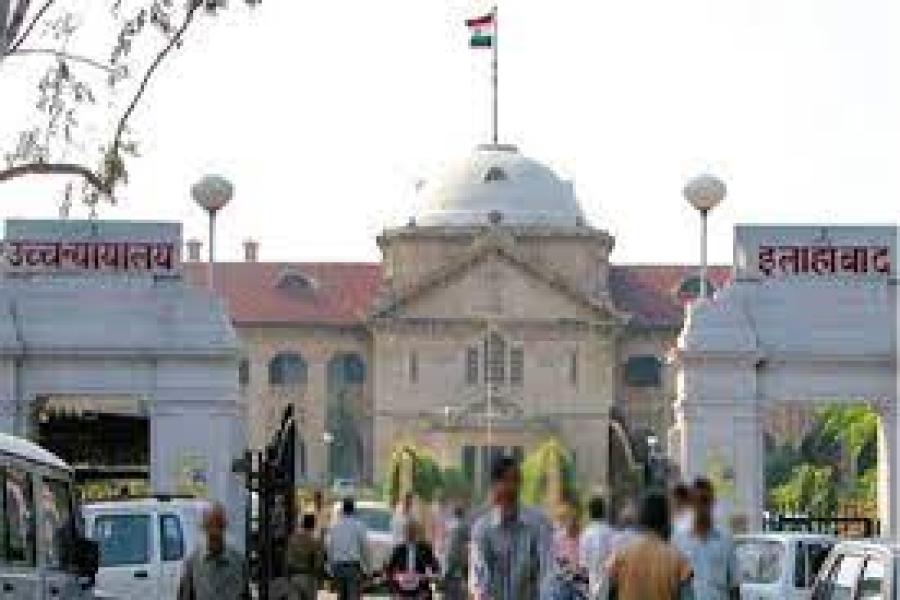
HC issues guidelines for bail pleas under Pocso Act
The high court laid down a time frame for service of notice of bail application to the child welfare committee (CWC) and thereafter listing of bail application before high court for the case hearing
The Allahabad high court, while dealing with a bail matter under the Pocso Act, has laid down a time frame for service of notice of bail application to the child welfare committee (CWC) and thereafter listing of bail application before high court for its hearing on merit.
It will ensure that bail applications involving Pocso (Protection of Children from Sexual Offences) Act are listed timely before court and version of the victim is also heard before passing any order on bail application.
Justice Ajai Bhanot passed the order while hearing a bail application filed by one Junaid of Siddharthnagar, an accused under Pocso Act.
The court said that on service of notice to government advocate office at high court, before moving bail application, the police station concerned will ensure serving of bail notice within three days to CWC and within five days to the family members of child concerned.
The bail application will be placed before court for hearing on completion of 10 days after service of notice to GA office, the court added.
The court directed the director general of police, UP to ensure compliance of its directions including nomination of officials for the same.
The court further directed, “The registry shall ensure that the child or its parents are not joined as parties to the bail application by name. It should also be ensured that any other information like address or neighbourhood which will reveal the identity of the child shall not be stated in the bail application.”
Considering the facts of the case, the court granted bail to the accused Junaid with directions that he must not misuse the bail and shall co-operate in the trial.
https://www.hindustantimes.com/cities/others/hc-issues-guidelines-for-bail-pleas-under-pocso-act-101626288600661.html
https://www.hindustantimes.com/cities/others/hc-issues-guidelines-for-bail-pleas-under-pocso-act-101626288600661.html
MEMBERSHIP OPEN
JOIN THE TOP AND MOST REPUTED HUMAN RIGHTS MOVEMENT OF THE COUNTRY AND
RAISE YOUR VOICE FOR THE VOICELESS PEOPLE
Top Criminal Advocate
Top Human Rights Advocate
SPEAK BEFORE APPLY FOR THE MEMBERSHIP
For more details, visit below
9873005424, 9873087903
https://humanrightscouncil.in/
https://humanrightscouncil.in/membership-form-download.php
https://www.hrcin.org/membership-form.html
http://ihrac.org/membership-form-download.php
https://hrcin.org/
http://ihrac.org/
https://twitter.com/AdvAnthonyRaju
Email: Office@humanrightscouncil.in
ALL INDIA COUNCIL OF HUMAN RIGHTS, LIBERTIES & SOCIAL JUSTICE
(AICHLS) is founded by Dr. Anthony Raju - Advocate, Supreme Court of India, Dynamic Internationally Accredited Human Rights Defender, Inspirational, spiritual and motivational speaker, Peace Activist & Social Worker and is one of global's foremost voices of Human Rights and powerful voice for voiceless people globally.
All India council of human rights, liberties & social justice has been added as signatory to UNITED NATION GLOBAL COMPACT. The world's largest corporate responsibility initiative with nearly 12,000 business and non-business participants in 140 countries. That All India Council of Human Rights, Liberties & Social Justice (AICHLS), is a duly registered Society under the Societies Registration Act XXI of 1860, and is functioning with commitment to the Noble Cause of Human Rights Protection and Promotion, Justice for All, Economic Upliftment of the Underprivileged, Education, Love, Peace, Harmony and Friendship, National & International Integration by Exchange of Ideas & Ethos in India and also amongst the neighbouring countries and the people of the rest of the World at large.
Dr. Anthony Raju
Advocate , Supreme Court of India.
Global Chairman , All India Council of Human Rights, Liberties & Social Justice.
Chairman - National Legal Council
International Convener, Universal mission for Peace and Human Rights.
Chairman, National Council of News and Broadcasting.
Secretary General : Asian Human Rights Council
International Peace keeper
http://www.ihrac.org/
http://www.awardsforhumanrights.com/
https://www.newsindiatoday.co.in
http://www.ncnb.in/
https://www.linkedin.com/in/anthonyraju/
https://www.facebook.com/allindiacouncilofhumanrights/
https://twitter.com/aichls
http://www.anthonyraju.com/
http://www.juneann.in/
https://plus.google.com/u/1/?tab=mX
https://www.youtube.com/user/TheHumanrightsindia/
http://www.xavierinstitutions.org/
www.asianhumanrightscouncil.org
www.internationalhumanrightscouncil.org
======================================================
#dranthonyraju #drjuneann #drtessmartin #drameenaali #aparathapa, #sandeepmarwah, #Tophumanrightscouncil, #Humanrightsinindia #Socialjustice, #freelegalhelp #HumanRightsOrganizationsInIndia, #HumanRightsComplaint, #HumanRights, #AdvocateSupremeCourt #HumanRightsMembership ##TopHumanRightsOrganisationofIndia #peace #gahrc #humanrightseducation #humanrightsleadership #humanitarian #ihrac #dranthonyraju #aichls #humanrightsambassador #tophumanrightsactivistofindia #motivationalspeaker #inspirationalspeaker #nhrc #tophumanrightsadvocateof india #topcriminaladvocate #nationalhumanrightscommission #topcriminaladvocatesupremecourtofindia
"Human Rights In India,Social Justice,Human Rights Commission,National Human Rights Commission, Human Rights Organizations In India,State Human Rights Commission,Human Rights Commission Delhi,Human Rights Complaint,Human Rights,Anthony Raju , Advocate Supreme Court, Human Rights Membership,Top Human Rights Organisation of India"
In Public Interest, More Links Of Human Rights Organisation working for the promotion and protection of Human Rights in India.
https://nhrc.nic.in/
https://nhrc.nic.in/about-us/state-commission?term_node_tid_depth=2350
https://nhrc.nic.in/statecommission/andhra-pradesh-state-human-rights-commission
https://shrc.tn.gov.in/
https://kshrc.karnataka.gov.in/english
https://nhrc.nic.in/statecommission/maharashtra-state-human-rights-commission
http://uphrc.up.nic.in/
https://ukhrc.net/u/
http://bhrc.bihar.gov.in/
http://www.pshrc.net/Home/Contact
https://nhrc.nic.in/statecommission/punjab-human-rights-commission
https://nhrc.nic.in/statecommission/gujarat-human-rights-commission
https://hphrc.hp.gov.in/
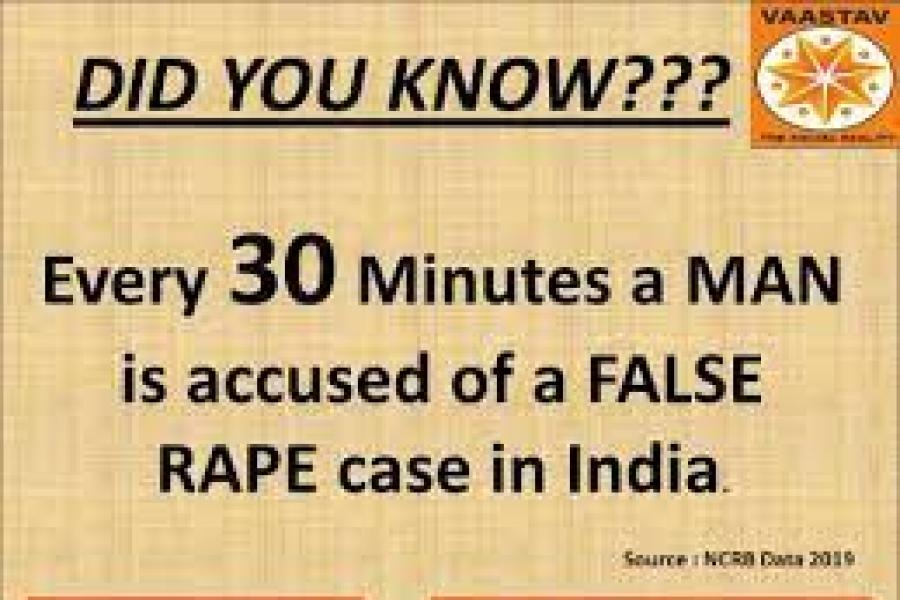
On Oct 2020, 22 years old Aman Baisla, based in Delhi, committed suicide, as he was threatened with false allegation of rape. He posted live video on Facebook and Instagram to explain how a girl has taken about 12.5 lakhs and when asked to return was threatening him of false rape charges and now again asking for more money or else his career and reputation will be tarnished with false rape case. This shocking incident caused outage among the public, however, no media aired this on news channels.
False allegations of rape, sexual harassment, and dowry are a common thing in India now. However, being politically correct, no political party, celebrity, or media wants to talk about it. This hasn’t been a lone incident and for sure won’t be the last, until awareness is created about it. Feminist organizations with their own random surveys with their own people keep portraying India to be the most dangerous country for women. However, when we look at the real numbers, the data collected from ground level, each police station and each court, the reality is completely different.
LET’S LOOK AT THE REAL NUMBERS THROUGH NCRB DATA 2019
False cases and allegations against men have been steadily rising over the years. As per the latest NCRB report, 2019 more than 1,25,657 men were acquitted from these gender-biased laws. Just to an idea how huge this number is – this is 3 times more than the combined cases registered under rape and sexual harassment at workplace, which our dear feminists make a huge cry for. Note this is just the tip of the Iceberg.
So now the question arises, people like Aman Baisla and others could have fought these false cases in court to prove the girl wrong and then get compensated or punish her as per law. Not really! The problem in India is that “Men are pronounced guilty unless proven Innocent” in these gender-biased laws. A complete opposite of the Law books which says “Innocent unless proven guilty”. Man is completely maligned and tarnished with the arrest in such cases even before the courts have reached a judgment, and this is where most of the men give up.
=====
MEMBERSHIP OPEN
JOIN THE TOP AND MOST REPUTED HUMAN RIGHTS MOVEMENT OF THE COUNTRY AND
RAISE YOUR VOICE FOR THE VOICELESS PEOPLE
Top Criminal Advocate
Top Human Rights Advocate
SPEAK BEFORE APPLY FOR THE MEMBERSHIP
For more details, visit below
9873005424, 9873087903
https://humanrightscouncil.in/
https://humanrightscouncil.in/membership-form-download.php
https://www.hrcin.org/membership-form.html
http://ihrac.org/membership-form-download.php
https://hrcin.org/
http://ihrac.org/
https://twitter.com/AdvAnthonyRaju
Email: Office@humanrightscouncil.in
ALL INDIA COUNCIL OF HUMAN RIGHTS, LIBERTIES & SOCIAL JUSTICE
(AICHLS) is founded by Dr. Anthony Raju - Advocate, Supreme Court of India, Dynamic Internationally Accredited Human Rights Defender, Inspirational, spiritual and motivational speaker, Peace Activist & Social Worker and is one of global's foremost voices of Human Rights and powerful voice for voiceless people globally.
All India council of human rights, liberties & social justice has been added as signatory to UNITED NATION GLOBAL COMPACT. The world's largest corporate responsibility initiative with nearly 12,000 business and non-business participants in 140 countries. That All India Council of Human Rights, Liberties & Social Justice (AICHLS), is a duly registered Society under the Societies Registration Act XXI of 1860, and is functioning with commitment to the Noble Cause of Human Rights Protection and Promotion, Justice for All, Economic Upliftment of the Underprivileged, Education, Love, Peace, Harmony and Friendship, National & International Integration by Exchange of Ideas & Ethos in India and also amongst the neighbouring countries and the people of the rest of the World at large.
Dr. Anthony Raju
Advocate , Supreme Court of India.
Global Chairman , All India Council of Human Rights, Liberties & Social Justice.
Chairman - National Legal Council
International Convener, Universal mission for Peace and Human Rights.
Chairman, National Council of News and Broadcasting.
Secretary General : Asian Human Rights Council
International Peace keeper
http://www.ihrac.org/
http://www.awardsforhumanrights.com/
https://www.newsindiatoday.co.in
http://www.ncnb.in/
https://www.linkedin.com/in/anthonyraju/
https://www.facebook.com/allindiacouncilofhumanrights/
https://twitter.com/aichls
http://www.anthonyraju.com/
http://www.juneann.in/
https://plus.google.com/u/1/?tab=mX
https://www.youtube.com/user/TheHumanrightsindia/
http://www.xavierinstitutions.org/
www.asianhumanrightscouncil.org
www.internationalhumanrightscouncil.org
======================================================
#dranthonyraju #drjuneann #drtessmartin #drameenaali #aparathapa, #sandeepmarwah, #Tophumanrightscouncil, #Humanrightsinindia #Socialjustice, #freelegalhelp #HumanRightsOrganizationsInIndia, #HumanRightsComplaint, #HumanRights, #AdvocateSupremeCourt #HumanRightsMembership ##TopHumanRightsOrganisationofIndia #peace #gahrc #humanrightseducation #humanrightsleadership #humanitarian #ihrac #dranthonyraju #aichls #humanrightsambassador #tophumanrightsactivistofindia #motivationalspeaker #inspirationalspeaker #nhrc #tophumanrightsadvocateof india #topcriminaladvocate #nationalhumanrightscommission #topcriminaladvocatesupremecourtofindia
"Human Rights In India,Social Justice,Human Rights Commission,National Human Rights Commission, Human Rights Organizations In India,State Human Rights Commission,Human Rights Commission Delhi,Human Rights Complaint,Human Rights,Anthony Raju , Advocate Supreme Court, Human Rights Membership,Top Human Rights Organisation of India"
In Public Interest, More Links Of Human Rights Organisation working for the promotion and protection of Human Rights in India.
https://nhrc.nic.in/
https://nhrc.nic.in/about-us/state-commission?term_node_tid_depth=2350
https://nhrc.nic.in/statecommission/andhra-pradesh-state-human-rights-commission
https://shrc.tn.gov.in/
https://kshrc.karnataka.gov.in/english
https://nhrc.nic.in/statecommission/maharashtra-state-human-rights-commission
http://uphrc.up.nic.in/
https://ukhrc.net/u/
http://bhrc.bihar.gov.in/
http://www.pshrc.net/Home/Contact
https://nhrc.nic.in/statecommission/punjab-human-rights-commission
https://nhrc.nic.in/statecommission/gujarat-human-rights-commission
https://hphrc.hp.gov.in/
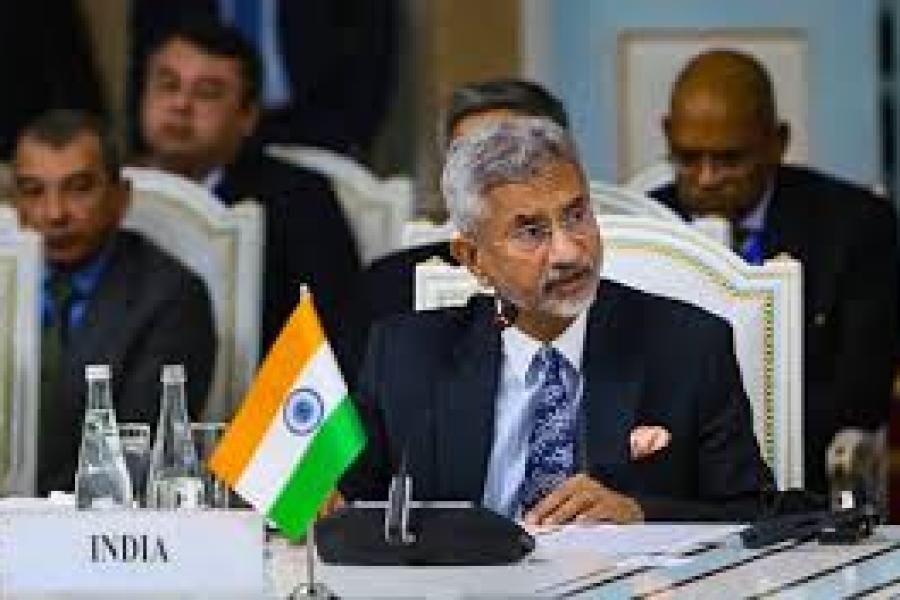
Ukraine crisis could be 'wake-up' call for Europe to also look at developments in Asia: Jaishankar
NEW DELHI: External affairs minister S Jaishankar on Tuesday ..
Read more at:
http://timesofindia.indiatimes.com/articleshow/91098154.cms?utm_source=contentofinterest&utm_medium=text&utm_campaign=cppst
======
JOIN THE TOP AND MOST REPUTED HUMAN RIGHTS MOVEMENT OF THE COUNTRY AND
RAISE YOUR VOICE FOR THE VOICELESS PEOPLE
Top Criminal Advocate
Top Human Rights Advocate
SPEAK BEFORE APPLY FOR THE MEMBERSHIP
For more details, visit below
9873005424, 9873087903
https://humanrightscouncil.in/
https://humanrightscouncil.in/membership-form-download.php
https://www.hrcin.org/membership-form.html
http://ihrac.org/membership-form-download.php
https://hrcin.org/
http://ihrac.org/
https://twitter.com/AdvAnthonyRaju
https://www.youtube.com/channel/UCSzwkOMyFS2deOB2i7cELYQ
Email: Office@humanrightscouncil.in
ALL INDIA COUNCIL OF HUMAN RIGHTS, LIBERTIES & SOCIAL JUSTICE
(AICHLS) is founded by Dr. Anthony Raju - Advocate, Supreme Court of India, Dynamic Internationally Accredited Human Rights Defender, Inspirational, spiritual and motivational speaker, Peace Activist & Social Worker and is one of global's foremost voices of Human Rights and powerful voice for voiceless people globally.
All India council of human rights, liberties & social justice has been added as signatory to UNITED NATION GLOBAL COMPACT. The world's largest corporate responsibility initiative with nearly 12,000 business and non-business participants in 140 countries. That All India Council of Human Rights, Liberties & Social Justice (AICHLS), is a duly registered Society under the Societies Registration Act XXI of 1860, and is functioning with commitment to the Noble Cause of Human Rights Protection and Promotion, Justice for All, Economic Upliftment of the Underprivileged, Education, Love, Peace, Harmony and Friendship, National & International Integration by Exchange of Ideas & Ethos in India and also amongst the neighbouring countries and the people of the rest of the World at large.
AICHLS is purely non political and a dedicated Non Government Organisation in service of people for their constitutional rights promotion and protection.
Dr. Anthony Raju
Advocate , Supreme Court of India.
Global Chairman , All India Council of Human Rights, Liberties & Social Justice.
Chairman - National Legal Council
International Convener, Universal mission for Peace and Human Rights.
Chairman, National Council of News and Broadcasting.
Secretary General : Asian Human Rights Council
International Peace keeper
http://www.ihrac.org/
http://www.awardsforhumanrights.com/
https://www.newsindiatoday.tv/home/
http://www.ncnb.in/
http://www.groundreports.in/
https://www.linkedin.com/in/anthonyraju/
https://www.facebook.com/allindiacouncilofhumanrights/
https://twitter.com/aichls
http://www.anthonyraju.com/
http://www.juneann.in/
https://plus.google.com/u/1/?tab=mX
https://www.youtube.com/user/TheHumanrightsindia/
http://www.xavierinstitutions.org/
www.asianhumanrightscouncil.org
www.internationalhumanrightscouncil.org
======================================================
In Public Interest, More Links Of Human Rights Organisation working for the promotion and protection of Human Rights.
In Public Interest, More Links Of Human Rights Organisation working for the promotion and protection of Human Rights in India.
https://nhrc.nic.in/
https://nhrc.nic.in/about-us/state-commission?term_node_tid_depth=2350
https://nhrc.nic.in/statecommission/andhra-pradesh-state-human-rights-commission
https://shrc.tn.gov.in/
https://kshrc.karnataka.gov.in/english
https://nhrc.nic.in/statecommission/maharashtra-state-human-rights-commission
http://uphrc.up.nic.in/
https://ukhrc.net/u/
http://bhrc.bihar.gov.in/
http://www.pshrc.net/Home/Contact
https://nhrc.nic.in/statecommission/punjab-human-rights-commission
https://nhrc.nic.in/statecommission/gujarat-human-rights-commission
https://hphrc.hp.gov.in/
#tophumanrightsactvisitdranthonyrajuadvocate #topcriminaladvocatedranthonyrajuadvocate#Tophumanrightscouncil,
#Humanrightsinindia #Socialjustice,
#freelegalhelp #Humanrightscommission,
#HumanRightsOrganizationsInIndia,
#HumanRightsComplaint, #HumanRights,
#AdvocateSupremeCourt
#HumanRightsMembership #TopHumanRightsOrganisationofIndia #peace
#gahrc #humanrightseducation #humanrightsleadership #humanitarian #ihrac
#dranthonyraju #aichls #humanrightsambassador #tophumanrightsactivistinindia #topmotivationalspeaker #topinspirationalspeaker
#tophumanrightsadvocateinindia
#topcriminaladvocateinindia #tophumanrightsNGOinindia #STXAVIERLAWACADEMY #TOPIASIPSINSTITUTE
#Administrationofjustice #Impunity #Refugees #IDPs & #Asylumseekers #Arbitraryarrest #Independenceofjudges&lawyers #Righttoeducation #Castebaseddiscrimination #Prosecutionsystem #Righttoairtrial #Childrights , #ChildAbuse #InhumandegradingTreatment #Righttofood #Judicialsystem
#Corruption #Institutional reform #Righttohealth #Deathincustody #Righttolife #Deathpenalty #Labourrights
Human Rights In India, Join top Human Rights Council, Human Rights Membership, Top Human Rights Organisation of India, Free Human Rights Membership, Human Rights Commission, National Human Rights Commission, Human Rights Organizations In India, State Human Rights Commission, Human Rights Commission Delhi, Human Rights Complaint, Human Rights, Dr. Anthony Raju , Advocate Supreme Court,
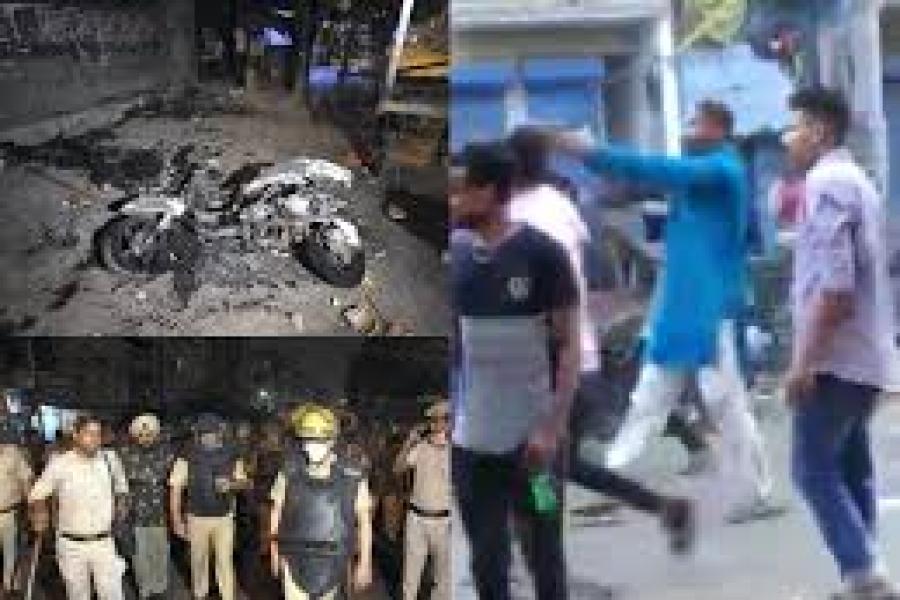
जहांगीरपुरी हिंसा पर एक बड़ा खुलासा हुआ है। जहांगीरपुरी में जिस कुशल चौक, सी-ब्लाक में शोभा यात्रा पर पथराव के बाद हिंसा हुई थी, उस कुशल चौक का 2020 में हुए दिल्ली दंगों का कनेक्शन है। कुशल चौक से करीब सात बसों में भरकर बांग्लादेशी महिलाएं, बच्चों व पुरुषों को शाहीन बाग प्रदर्शन में शामिल होने के लिए ले जाया गया था। दंगा करने के लिए लोग कुशल चौक से गए थे। दिल्ली पुलिस की जांच में ये बात सामने आई है कि असलम को फायरिंग करने के लिए बदमाश गुल्ली ने भड़काया था। दिल्ली पुलिस की अपराध शाखा के एक वरिष्ठ अधिकारी ने बताया कि दिल्ली पुलिस की स्पेशल सेल ने कोर्ट में जो चार्जशीट दाखिल की है उसमें लिखा हुआ है कि सीएए व एनआरसी के दौरान सी-ब्लाक, कुशल चौक से छह से सात बसों में भरकर अवैध बांग्लादेशी महिलाएं, बच्चों और पुरुषों को शाहीनबाग प्रदर्शन में शामिल करने के लिए ले जाया गया था।
https://www.amarujala.com/photo-gallery/delhi-ncr/delhi-jahangirpuri-violence-kushal-chowk-connection-to-the-2020-delhi-riots-too
=====
SPEAK BEFORE APPLY FOR THE MEMBERSHIP
For more details, visit below
9873005424, 9873087903
https://humanrightscouncil.in/
https://humanrightscouncil.in/membership-form-download.php
https://www.hrcin.org/membership-form.html
http://ihrac.org/membership-form-download.php
https://hrcin.org/
http://ihrac.org/
https://twitter.com/AdvAnthonyRaju
Email: Office@humanrightscouncil.in
ALL INDIA COUNCIL OF HUMAN RIGHTS, LIBERTIES & SOCIAL JUSTICE
(AICHLS) is founded by Dr. Anthony Raju - Advocate, Supreme Court of India, Dynamic Internationally Accredited Human Rights Defender, Inspirational, spiritual and motivational speaker, Peace Activist & Social Worker and is one of global's foremost voices of Human Rights and powerful voice for voiceless people globally.
All India council of human rights, liberties & social justice has been added as signatory to UNITED NATION GLOBAL COMPACT. The world's largest corporate responsibility initiative with nearly 12,000 business and non-business participants in 140 countries. That All India Council of Human Rights, Liberties & Social Justice (AICHLS), is a duly registered Society under the Societies Registration Act XXI of 1860, and is functioning with commitment to the Noble Cause of Human Rights Protection and Promotion, Justice for All, Economic Upliftment of the Underprivileged, Education, Love, Peace, Harmony and Friendship, National & International Integration by Exchange of Ideas & Ethos in India and also amongst the neighbouring countries and the people of the rest of the World at large.
Dr. Anthony Raju
Advocate , Supreme Court of India.
Global Chairman , All India Council of Human Rights, Liberties & Social Justice.
Chairman - National Legal Council
International Convener, Universal mission for Peace and Human Rights.
Chairman, National Council of News and Broadcasting.
Secretary General : Asian Human Rights Council
International Peace keeper
http://www.ihrac.org/
http://www.awardsforhumanrights.com/
https://www.newsindiatoday.co.in
http://www.ncnb.in/
https://www.linkedin.com/in/anthonyraju/
https://www.facebook.com/allindiacouncilofhumanrights/
https://twitter.com/aichls
http://www.anthonyraju.com/
http://www.juneann.in/
https://plus.google.com/u/1/?tab=mX
https://www.youtube.com/user/TheHumanrightsindia/
http://www.xavierinstitutions.org/
www.asianhumanrightscouncil.org
www.internationalhumanrightscouncil.org
======================================================
#dranthonyraju #drjuneann #drtessmartin #drameenaali #aparathapa, #sandeepmarwah, #Tophumanrightscouncil, #Humanrightsinindia #Socialjustice, #freelegalhelp #HumanRightsOrganizationsInIndia, #HumanRightsComplaint, #HumanRights, #AdvocateSupremeCourt #HumanRightsMembership ##TopHumanRightsOrganisationofIndia #peace #gahrc #humanrightseducation #humanrightsleadership #humanitarian #ihrac #dranthonyraju #aichls #humanrightsambassador #tophumanrightsactivistofindia #motivationalspeaker #inspirationalspeaker #nhrc #tophumanrightsadvocateof india #topcriminaladvocate #nationalhumanrightscommission #topcriminaladvocatesupremecourtofindia
"Human Rights In India,Social Justice,Human Rights Commission,National Human Rights Commission, Human Rights Organizations In India,State Human Rights Commission,Human Rights Commission Delhi,Human Rights Complaint,Human Rights,Anthony Raju , Advocate Supreme Court, Human Rights Membership,Top Human Rights Organisation of India"
In Public Interest, More Links Of Human Rights Organisation working for the promotion and protection of Human Rights in India.
https://nhrc.nic.in/
https://nhrc.nic.in/about-us/state-commission?term_node_tid_depth=2350
https://nhrc.nic.in/statecommission/andhra-pradesh-state-human-rights-commission
https://shrc.tn.gov.in/
https://kshrc.karnataka.gov.in/english
https://nhrc.nic.in/statecommission/maharashtra-state-human-rights-commission
http://uphrc.up.nic.in/
https://ukhrc.net/u/
http://bhrc.bihar.gov.in/
http://www.pshrc.net/Home/Contact
https://nhrc.nic.in/statecommission/punjab-human-rights-commission
https://nhrc.nic.in/statecommission/gujarat-human-rights-commission
https://hphrc.hp.gov.in/
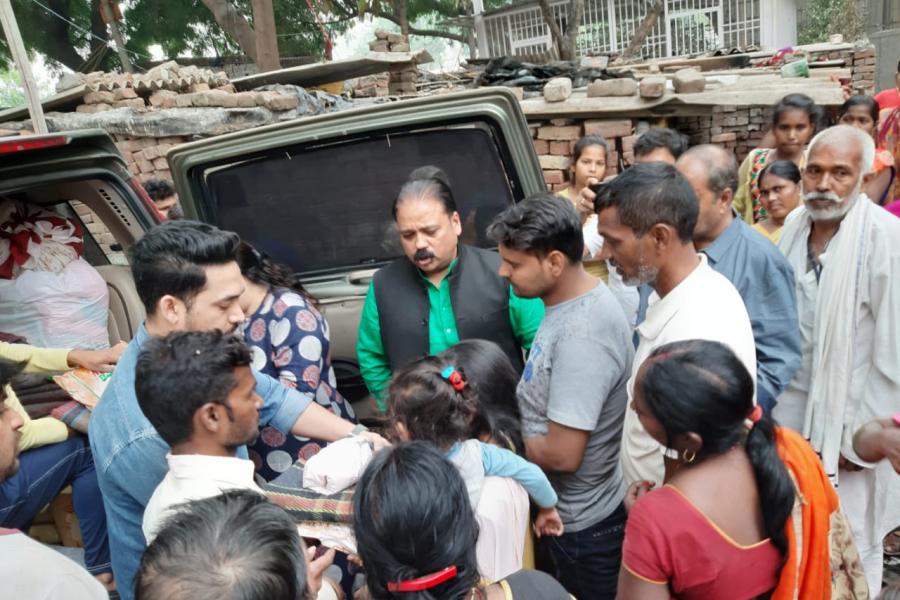
Team Human Rights Council on Humanitarian journey
distributing dry rations in slums where 150 slums were gutted in the fire. We have received huge support from the people of God to serve his people with love and compassion. Amen #fooddistribution #foodcrisis
Please join the Humanitarian journey and serve people in need.
#dranthonyraju #drjuneann #drtessmartin #drameenaali #aparathapa, #sandeepmarwah,
MEMBERSHIP OPEN
JOIN THE TOP AND MOST REPUTED HUMAN RIGHTS MOVEMENT OF THE COUNTRY AND
RAISE YOUR VOICE FOR THE VOICELESS PEOPLE
Top Criminal Advocate
Top Human Rights Advocate
SPEAK BEFORE APPLY FOR THE MEMBERSHIP
For more details, visit below
9873005424, 9873087903
https://humanrightscouncil.in/
https://humanrightscouncil.in/membership-form-download.php
https://www.hrcin.org/membership-form.html
http://ihrac.org/membership-form-download.php
https://hrcin.org/
http://ihrac.org/
https://twitter.com/AdvAnthonyRaju
Email: Office@humanrightscouncil.in
ALL INDIA COUNCIL OF HUMAN RIGHTS, LIBERTIES & SOCIAL JUSTICE
(AICHLS) is founded by Dr. Anthony Raju - Advocate, Supreme Court of India, Dynamic Internationally Accredited Human Rights Defender, Inspirational, spiritual and motivational speaker, Peace Activist & Social Worker and is one of global's foremost voices of Human Rights and powerful voice for voiceless people globally.
All India council of human rights, liberties & social justice has been added as signatory to UNITED NATION GLOBAL COMPACT. The world's largest corporate responsibility initiative with nearly 12,000 business and non-business participants in 140 countries. That All India Council of Human Rights, Liberties & Social Justice (AICHLS), is a duly registered Society under the Societies Registration Act XXI of 1860, and is functioning with commitment to the Noble Cause of Human Rights Protection and Promotion, Justice for All, Economic Upliftment of the Underprivileged, Education, Love, Peace, Harmony and Friendship, National & International Integration by Exchange of Ideas & Ethos in India and also amongst the neighbouring countries and the people of the rest of the World at large.
Dr. Anthony Raju
Advocate , Supreme Court of India.
Global Chairman , All India Council of Human Rights, Liberties & Social Justice.
Chairman - National Legal Council
International Convener, Universal mission for Peace and Human Rights.
Chairman, National Council of News and Broadcasting.
Secretary General : Asian Human Rights Council
International Peace keeper
http://www.ihrac.org/
http://www.awardsforhumanrights.com/
https://www.newsindiatoday.co.in
http://www.ncnb.in/
https://www.linkedin.com/in/anthonyraju/
https://www.facebook.com/allindiacouncilofhumanrights/
https://twitter.com/aichls
http://www.anthonyraju.com/
http://www.juneann.in/
https://plus.google.com/u/1/?tab=mX
https://www.youtube.com/user/TheHumanrightsindia/
http://www.xavierinstitutions.org/
www.asianhumanrightscouncil.org
www.internationalhumanrightscouncil.org
======================================================
In Public Interest, More Links Of Human Rights Organisation working for the promotion and protection of Human Rights.
https://nhrc.nic.in/
https://nhrc.nic.in/about-us/state-commission?term_node_tid_depth=2350
https://nhrc.nic.in/statecommission/andhra-pradesh-state-human-rights-commission
https://shrc.tn.gov.in/
https://kshrc.karnataka.gov.in/english
https://nhrc.nic.in/statecommission/maharashtra-state-human-rights-commission
#dranthonyraju #drjuneann #drtessmartin #drameenaali #aparathapa, #sandeepmarwah, #Tophumanrightscouncil, #Humanrightsinindia #Socialjustice, #freelegalhelp #HumanRightsOrganizationsInIndia, #HumanRightsComplaint, #HumanRights, #AdvocateSupremeCourt #HumanRightsMembership ##TopHumanRightsOrganisationofIndia #peace #gahrc #humanrightseducation #humanrightsleadership #humanitarian #ihrac #dranthonyraju #aichls #humanrightsambassador #tophumanrightsactivistofindia #motivationalspeaker #inspirationalspeaker #nhrc #tophumanrightsadvocateof india #topcriminaladvocate #nationalhumanrightscommission #topcriminaladvocatesupremecourtofindia
"Human Rights In India,Social Justice,Human Rights Commission,National Human Rights Commission, Human Rights Organizations In India,State Human Rights Commission,Human Rights Commission Delhi,Human Rights Complaint,Human Rights,Anthony Raju , Advocate Supreme Court, Human Rights Membership,Top Human Rights Organisation of India"
======
Dr. Anthony Raju - Advocate , Supreme Court of India and a dynamic, dedicated , Internationally accredited HUMAN RIGHTS , PEACE Ambassador & SOCIAL Worker and is one of Global's foremost voices of Human Rights.
Dr. Anthony Raju , who is an Internationally Reputed PEACE BUILDER, HUMAN RIGHTS DEFENDER , Diplomat , an Eminent Social Reformer & Activist, Environmentalist, Educator, Human Rights & Constitutional Rights Activists, Motivator, Change maker, Teacher Trainer, Disaster management Expert, Panel Arbitrator in National & International Level, Legal Aid Expert, Academician, Humanitarian works Expert, etc.
Dr. Anthony Raju has been awarded with several National & International Awards for his Excellence works for more than 10 Years for promoting and protecting Human Rights. He has been awarded with several (Honoris Causa) Degrees , Like Doctor of Sociology , Doctorate of Human Rights by International Peace University , Germany, PHD. Social Work by Universal Academy for Global Peace , Life time membership and Award by International Journalism Centre , National Human Rights Activist Award by All India Newspaper Association , Ambassador of Peace Award by Blind Association, Peace Ambassador by Global Peace Initiative -USA
Dr. Anthony Raju had justified his position many times against the capital punishment , he has publicly condemned this barbaric act in name of punishment. He has written number of articles on Extra Judicial Killings, Violence Against Women, Right to Education, Rights to Information Contemporary forms of slavery , Right to an adequate Standard of living, Extrajudicial, summary of arbitrary executions , Sale of Children, Child prostitution , Independence of Judges and Lawyers.
Dr. Anthony Raju spends most of the time between Tribal , underprivileged , Villages , he widely travels in various States i.e Orissa , Chhattisgarh, Jharkhand , Bihar , Uttar Pradesh , Madhya Pradesh , Uttrakhand , Gujarat , Rajasthan etc.


